

In the past several months, President Donald Trump signed a sweeping executive order that introduced a new round of tariffs aimed at rebalancing international trade, supporting domestic manufacturing, and reducing America’s reliance on foreign-sourced goods. While much of the public attention has focused on major industries like electric vehicles and consumer electronics, these Trump tariffs could significantly impact smaller, highly specialized markets—including the U.S. window tint and window film industry.
What makes this moment particularly urgent is the looming expiration of the current tariff pause on certain goods, which could trigger a new wave of cost increases and supply disruptions if exemptions are not renewed or renegotiated. Businesses across the industry are bracing for the potential fallout, with sourcing, pricing, and logistics all hanging in the balance.
A Complex Global Supply Chain at the Core

The window tint and window film industry is heavily dependent on a sophisticated, international supply chain that spans multiple continents. Essential raw materials such as polyester base films (commonly known as PET), adhesives, ultraviolet inhibitors, dyes, and specialized coatings are primarily sourced from foreign suppliers. These materials are often manufactured in countries across Asia, Europe, and the Middle East.
In addition to sourcing raw materials abroad, many brands in the U.S. window film market import finished products directly from overseas manufacturers. These fully processed window films are brought into the United States, ready for distribution and installation without further modification. For some companies, this reliance on imported finished goods is a core component of their business model.
With the introduction of the new tariffs, both raw materials and finished films from certain regions will likely become significantly more expensive to bring into the country. This increased cost is expected to ripple throughout the entire industry, impacting manufacturers, distributors, local dealers, installers, and ultimately the consumer.
Rising Costs Across Window Film Segments
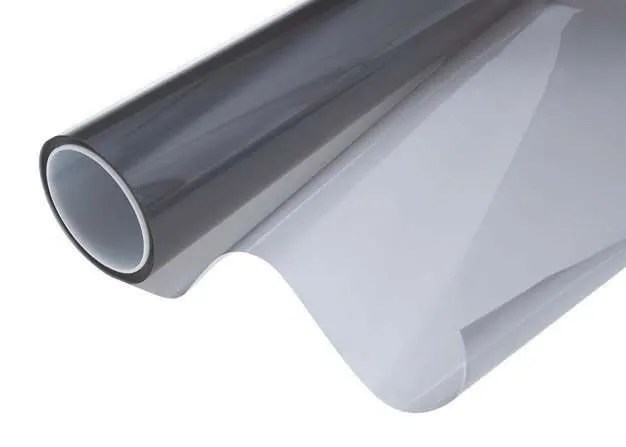 If the tariffs drive up the cost of imported raw materials and finished window films, it will likely result in price increases across virtually all product categories. These include:
Automotive Tint Films: Widely used in personal vehicles for UV protection, heat rejection, and aesthetic enhancement.
Architectural Solar Control Films: Applied to residential and commercial buildings to manage heat, glare, and energy consumption.
Decorative Films: Used to create frosted, patterned, or colored glass effects for both privacy and style.
Safety and Security Films: Designed to strengthen glass, helping to prevent shattering and mitigate forced entry or blast hazards.
Manufacturers may attempt to absorb some of these cost increases to remain competitive, but smaller companies and regional dealers may have less flexibility. It is likely that at least some of these rising costs will be passed on to the end consumer.
Price-sensitive market segments, such as entry-level automotive tint, could be hit particularly hard. In these areas, even a small cost increase can dramatically influence consumer decisions and market competition.
Dependence on Imported Finished Goods
One of the often-overlooked realities of the window film industry is that some brands import fully finished window film products from overseas manufacturers. These films arrive in the U.S. in a completed state, ready to be sold to dealers and installers without further processing.
For these brands, the tariffs represent a direct and immediate cost burden. Unlike manufacturers who import raw materials and have some control over processing costs, brands that rely on finished imports have little room to maneuver. If tariffs significantly increase the price of their finished products, these companies may face shrinking margins or may be forced to raise their prices, making it difficult to remain competitive—particularly if other brands with more diversified sourcing are less affected.
Possible Shift Toward Domestic Sourcing
 In response to the tariffs, the industry may see a growing interest in sourcing more materials and finished goods from U.S.-based suppliers or from countries not significantly impacted by the trade measures.
However, there is a practical limitation to this shift. The current capacity for domestic production of specialized window films is relatively limited, especially for high-performance or multi-layer films that require advanced manufacturing processes. Expanding domestic manufacturing capabilities would likely take years and significant capital investment.
In the short term, the industry could experience material shortages, extended lead times, and constraints on product availability. Companies that already have diverse, international supplier networks or maintain strong relationships with manufacturers in regions not directly affected by tariffs may be better positioned to adapt quickly.
Competitive Shifts and Market Realignment
The introduction of tariffs may cause notable competitive shifts within the window film industry. Companies with U.S.-based manufacturing facilities or established supply chains outside the tariff-affected regions could gain a pricing and logistical advantage.
Conversely, smaller brands and dealers who rely heavily on tariff-impacted imports—whether raw materials or finished products—may face substantial challenges in maintaining pricing consistency and protecting profit margins.
Additionally, distributors may need to reevaluate their partnerships and product lines based on which manufacturers can maintain stable pricing and supply. Some brands may need to adjust their go-to-market strategies or limit product offerings if sourcing alternatives become difficult to secure.
Potential Consumer Impacts
 From the consumer’s perspective, the most visible effects will likely be higher installation prices, reduced product variety, and longer lead times.
Price Increases: As manufacturers, distributors, and installers grapple with higher material costs, much of that financial pressure will likely be passed on to the customer.
Product Availability: Specialty films—particularly those that require unique materials or advanced manufacturing—may become more difficult to source, especially if they are primarily imported as finished goods.
Wait Times: Supply chain disruptions could cause longer lead times for both standard and specialty installations as companies manage inventory constraints and shipping delays.
In some cases, consumers may opt for lower-cost films or simpler installations to stay within budget, potentially shifting demand toward more basic products at the expense of premium offerings.
Industry Adaptation Strategies
In the face of these challenges, companies throughout the window tint and window film supply chain will likely begin taking strategic steps to mitigate tariff-related risks. These strategies may include:
Supplier Diversification: Seeking alternative sources of raw materials or finished goods from regions not impacted by tariffs.
Inventory Planning: Increasing stock levels of high-demand products to buffer against potential supply disruptions.
Cost Management: Streamlining operations and logistics to absorb some of the cost increases without passing all of them to the customer.
Some brands may also invest in developing new product lines that can be produced domestically or sourced from less affected trade partners to offer more tariff-resilient options.
Final Thoughts
The Trump administration’s latest tariffs have the potential to reshape the window tint and window film industry in the United States in ways that extend well beyond short-term price fluctuations. Rising material costs, changing supply chain dynamics, competitive realignments, and shifting consumer choices may all emerge as key themes in the years ahead.
While some companies may face significant challenges, those that proactively diversify their supplier base, rethink their sourcing strategies, and carefully manage inventory and pricing will be best positioned to succeed in this evolving landscape. The coming months and years will likely determine which businesses can adapt to the new realities of global trade—and which may struggle to keep up.
